Headless CMS vs Traditional CMS: When Does Headless Actually Make Sense?
Written by Kok Hong published on Aug 7, 2026
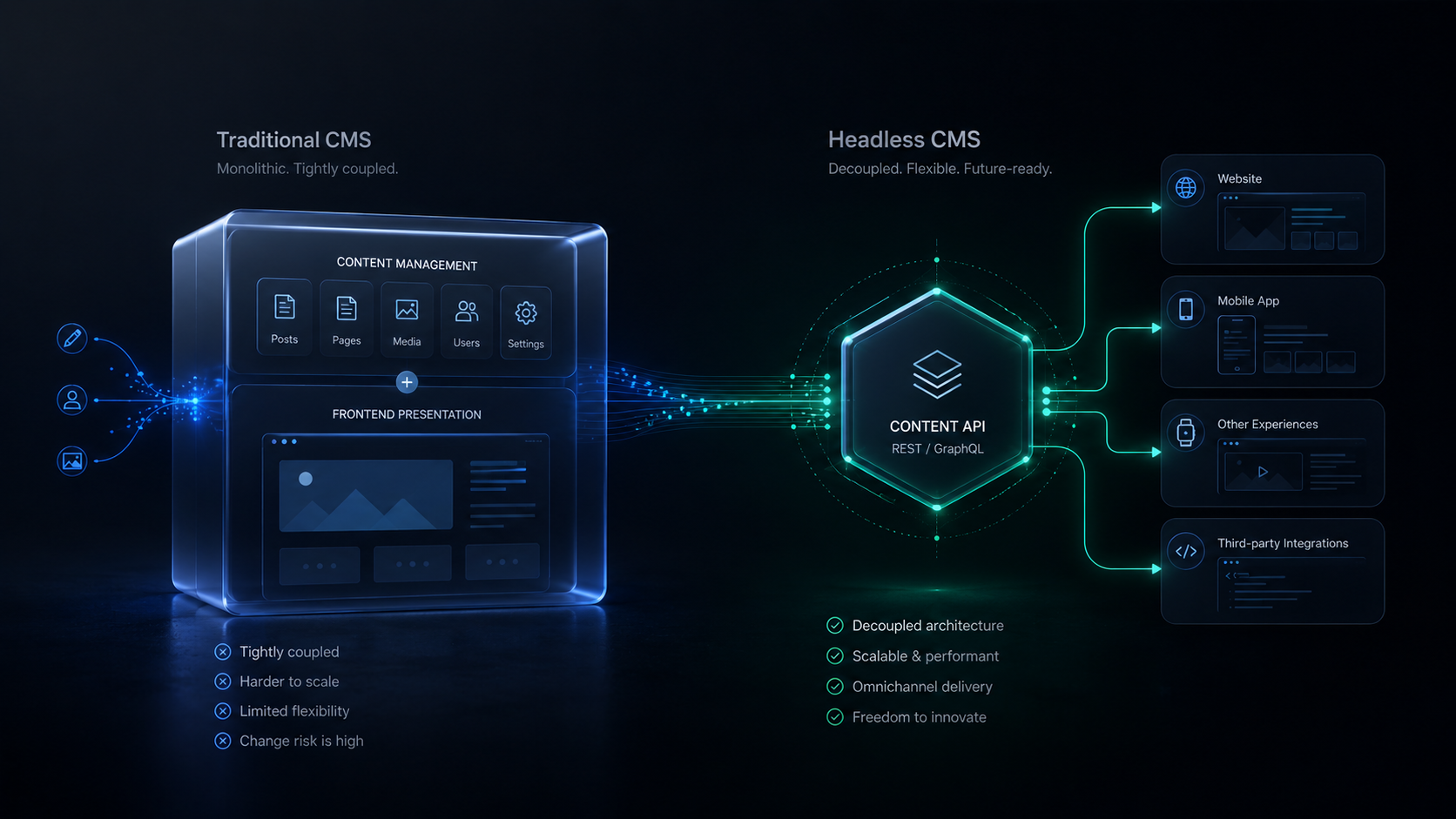
The right question is not whether a headless CMS is better than a traditional CMS, but rather what problem you are trying to solve and whether a headless architecture solves it better. This guide explores when headless makes sense, when it does not, and what engineering and SEO considerations to evaluate before making the switch.
What Is a Headless CMS?
A traditional CMS typically combines two responsibilities: managing content and rendering that content for visitors.
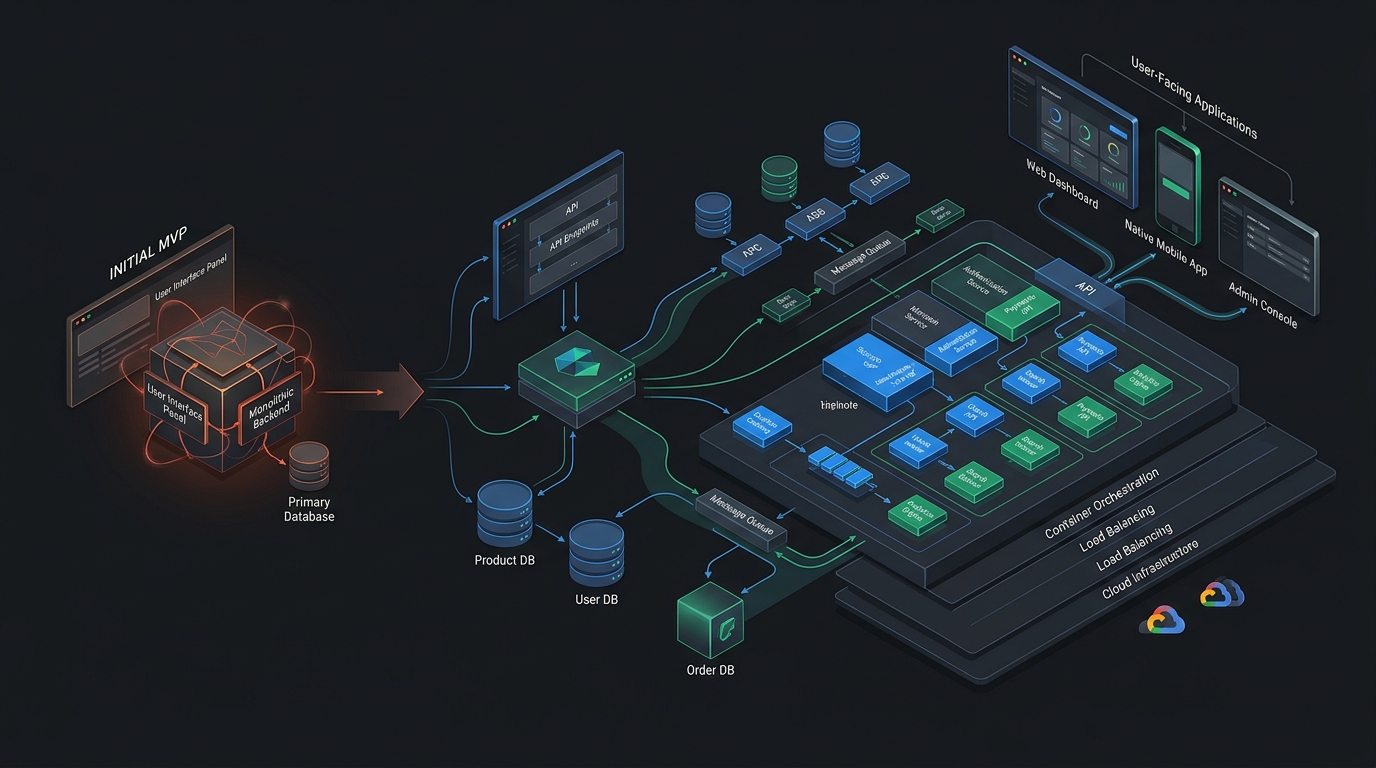
A headless CMS separates these responsibilities completely. The CMS manages and exposes content through APIs, while a separate frontend application decides how that content is presented. A simplified architecture looks like this:
Headless CMS
|
| API
v
+----------------+
| Frontend App |
+----------------+
/ |
/ |
Website Mobile Other Apps
This separation creates significantly more flexibility, but it also creates another layer of architecture that needs to be designed, deployed, monitored, and maintained.
Traditional CMS: Why It Still Makes Sense
Traditional CMS platforms are not outdated simply because headless technology exists. For many websites, they remain the most practical solution. A traditional CMS can provide:
- Fast deployment
- Familiar editorial workflows
- Large plugin ecosystems
- Lower development requirements
- Simple hosting
- Easy content management
- Lower initial costs
Consider a company with a 30-page corporate website. If the business needs a homepage, service pages, about pages, contact forms, a blog, and basic SEO controls, there may be little reason to introduce an additional API-driven architecture. The simplest solution is often the best solution.
Why Companies Choose Headless
Headless becomes attractive when the requirements become more complex.
Multiple Digital Channels
A business may want the same content to power a website, a mobile application, a customer portal, digital signage, internal applications, and partner platforms. Instead of duplicating content across each system, a headless CMS can act as a central content source:
CMS
|
Content API
/ |
/ |
Website Mobile Portal
Highly Customized Experiences
Traditional CMS templates can become restrictive when a website behaves more like an application. Examples include product configurators, interactive calculators, advanced search, personalized dashboards, complex e-commerce experiences, real-time interfaces, and customer portals. A decoupled frontend gives developers more control over the user experience.
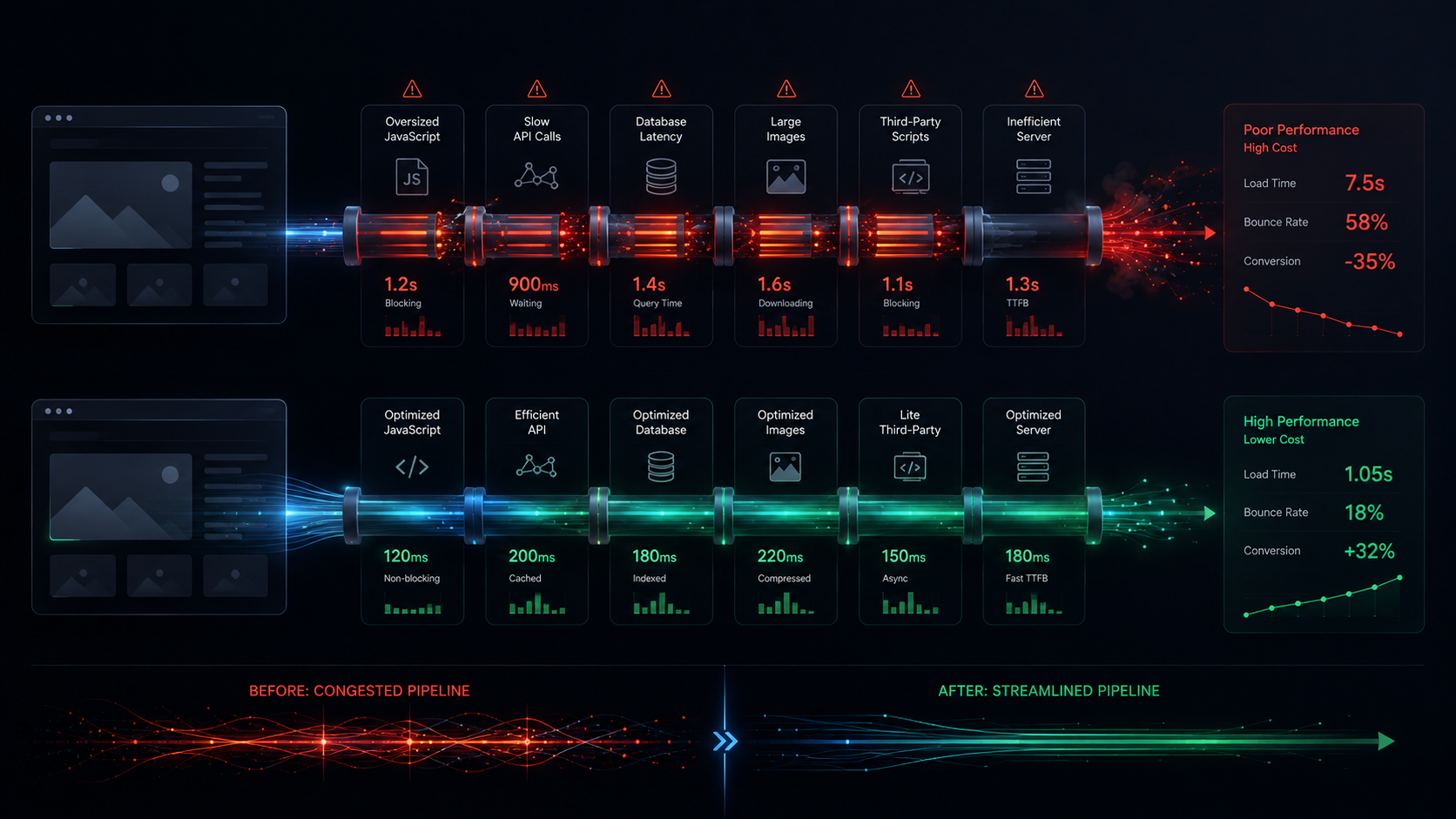
Headless Does Not Automatically Mean Faster
One of the most common misconceptions is that headless architecture automatically improves performance. It does not. A poorly designed headless application can be slower than a well-built traditional CMS.
Consider this request flow:
Browser
|
Frontend
|
CMS API
|
External API
|
Database
If every page request requires several sequential network calls, latency can quickly accumulate. A better architecture may introduce server-side rendering, static generation, CDN caching, API caching, data prefetching, incremental regeneration, and optimized queries. The performance advantage comes from how the architecture is implemented, not from the word “headless.”
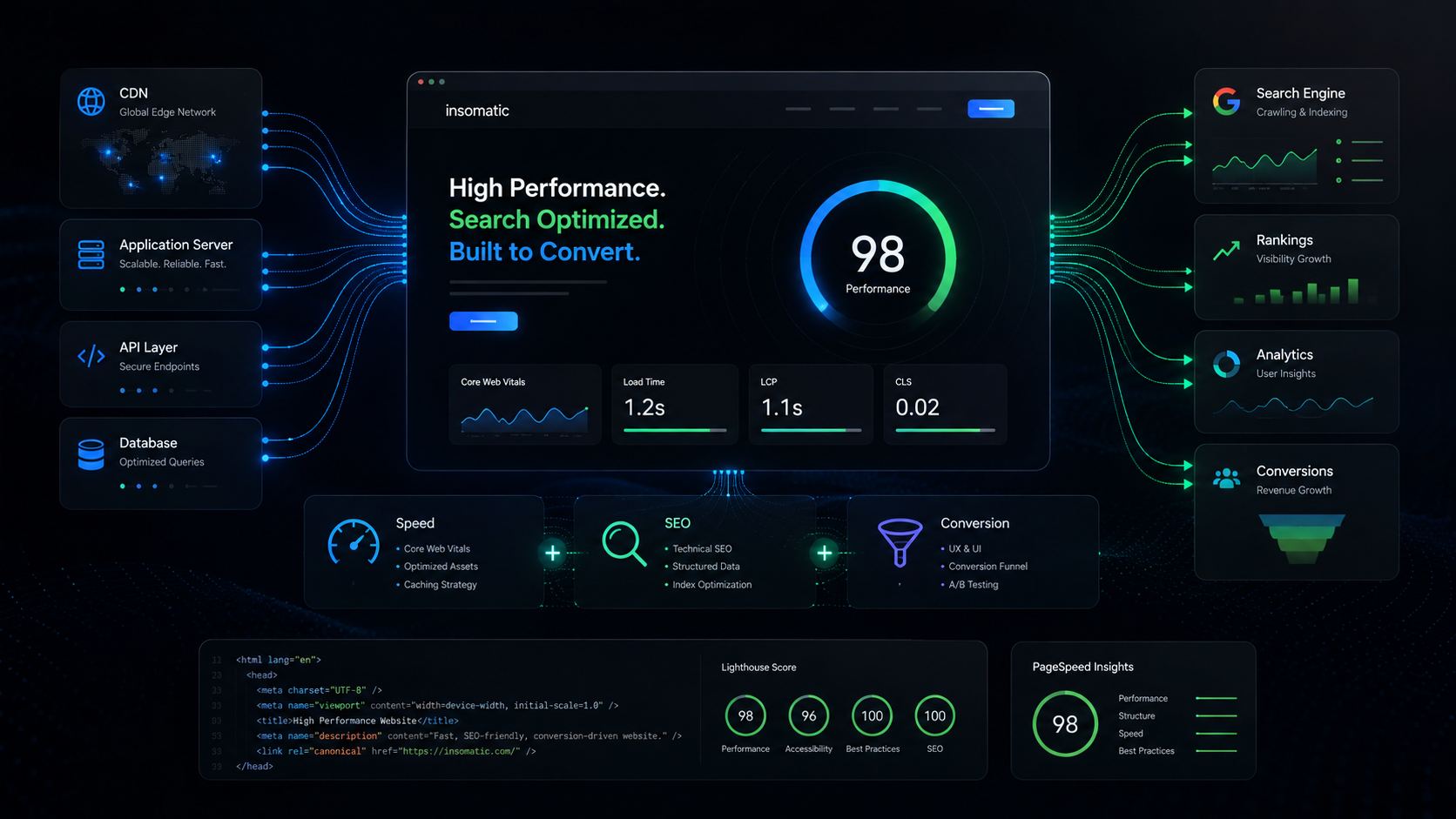
Headless CMS and SEO
SEO needs to be considered before adopting headless. A traditional CMS often provides SEO functionality through established plugins or built-in features. With headless, the development team typically needs to implement many of these capabilities.
The application should be able to control:
- Page titles
- Meta descriptions
- Canonical URLs
- Robots directives
- Open Graph metadata
- Structured data
- XML sitemaps
- Redirects
- Heading structures
- Internal links
- Pagination
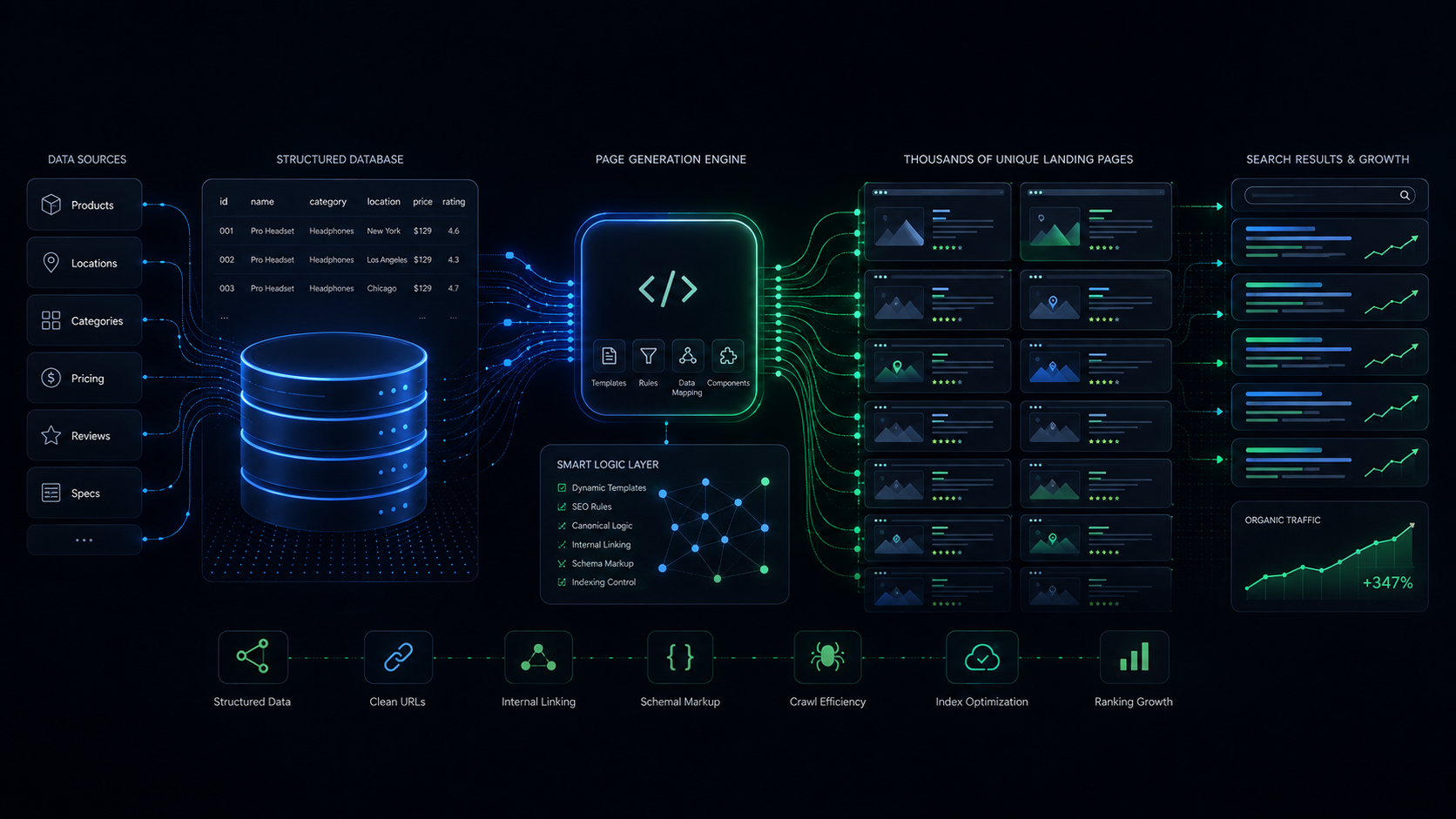
A useful content model might look like this:
Page
├── Content
├── SEO Title
├── Meta Description
├── Canonical URL
├── Robots Directive
├── Open Graph Image
├── Structured Data
└── Related Content
This structure allows SEO to become an integrated part of the publishing workflow.
Rendering Strategy Matters
One of the biggest technical decisions in a headless implementation is how content is rendered. Possible approaches include client-side rendering, server-side rendering, static generation, incremental static regeneration, and hybrid rendering.
There is no universal winner. A marketing article that rarely changes may be ideal for static generation, whereas a personalized dashboard may require server-side or client-side rendering. The architecture should be based on the behavior of each page.
The Editorial Experience Is Easy to Forget
Developers often focus on APIs and frontend architecture, while marketing teams care about whether they can publish content without asking a developer for help. A good headless implementation should provide workflows for:
- Creating content
- Editing content
- Previewing drafts
- Scheduling publication
- Managing media
- Editing SEO metadata
- Managing relationships between content
- Handling redirects
A technically elegant system that frustrates editors can quickly become a business problem.
Headless and Developer Productivity
The strongest argument for headless is often flexibility. Developers can build the frontend using the technologies and architecture best suited to the product. This makes it easier to introduce component-based design systems, automated testing, performance optimization, custom integrations, advanced analytics, application-level functionality, and reusable frontend components. The CMS becomes a content service rather than the entire application.
When Should You Choose Headless?
Headless is worth considering when several of the following are true:
- The frontend requires significant customization
- Content needs to power multiple platforms
- Performance is strategically important
- The website is expected to become more application-like
- The organization has a capable development team
- The content model is complex
- Multiple systems need access to the same content
- The business expects substantial future growth
- The existing CMS is becoming a constraint
The more of these requirements you have, the stronger the case for headless becomes.
When Should You Stay With a Traditional CMS?
A traditional CMS may be the better choice when:
- The website is relatively simple
- There is only one frontend
- Speed to market is critical
- The editorial workflow is straightforward
- Development resources are limited
- Existing CMS functionality already solves the problem
- There is little need for custom application behavior
There is no strategic advantage in adding architectural complexity without a corresponding business benefit.
A Practical Decision Framework
Before choosing an architecture, answer these core questions:
- How Many Channels Need the Content? If content only powers one website, traditional architecture may be sufficient.
- How Customized Is the Frontend? The more application-like the experience, the more valuable frontend independence becomes.
- How Important Is Performance? If organic traffic, conversion rates, or high-volume traffic are critical, architecture deserves closer consideration.
- Who Maintains the Platform? Headless systems generally require stronger development and infrastructure capabilities.
- How Quickly Will Requirements Change? If the business expects new platforms, integrations, or experiences, decoupling may provide long-term benefits.
- What Does Complexity Cost? Consider hosting, development, monitoring, maintenance, deployment, security, integrations, and editorial tooling.
The architecture should be evaluated on total cost of ownership, not just implementation cost.
The Real Choice
Headless CMS is not inherently better than a traditional CMS. Traditional CMS optimizes for simplicity, whereas headless CMS optimizes for flexibility and separation of concerns.
The right choice depends on business requirements, content complexity, technical capabilities, performance requirements, SEO strategy, the number of digital channels, and the long-term product roadmap. The best architecture is not the most modern one; it is the one that solves the business problem without creating unnecessary technical complexity.